Visit Singapore Zoo

Saturday, June 29, 2013

A bigger, more interactive zoo for the younger generation

On its 40th birthday, Wildlife Reserves Singapore chairman Claire Chiang has big dreams for the Singapore Zoological Gardens — not only to make it more immersive, but also to expand it geographically.

Having for years been a must-visit for families with young children — this group forms the bulk of the zoo's visitors — Chiang says she hopes to revitalise the WRS's oldest wildlife park (the others being the Night Safari, the River Safari and Jurong Bird Park) to more closely cater to an increasingly tech-savvy younger generation.
[The Singapore Zoo's 40th Birthday, and your favourite zoo animals]

"We have to work harder, I feel, at the teenagers, and that's where your social media (comes in), your interactive way of bringing the zoo to that level… so youth will feel that this is also a learning laboratory," said Chiang, who spoke on the sidelines of a celebration of the Zoo's 40th birthday on Thursday.

"The future zoo for Singapore… has to be interactive, because the X, Y generation that grew up with all these gadgets would like immediately to have access to information," she said. For instance, she said that a journey through the zoo has to be an immersive one, making visitors feel like they are experiencing the rainforest, instead of simply walking through the park as a passive observer.

"We have a lot of game(s), 'press-button and then information coming out', and when you're looking at an exhibit there will be a lot of questions and answers, and there will be a lot of classroom sessions where next to your exhibit you have someone to tell the story of the animal," she explained.

"(It's) interactive in a sense not that it is gadgety, but in the process of me understanding the animals… it enhances my understanding of the role of man (in nature)," she continued. "It is actually using all your senses in an exhibit to touch and feel the exhibits; that's what it means by immersive."

Chiang also said the new Zoo will have to have "a high level of educational entertainment", as well as a high level of social media impact and effect.

"So it's going to be leveraging on technology, and using the resources that we have to recreate an experience of nature that hits the mind, the heart and the soul, and it is fun," she said.

Need to ensure zoo's future

In view of this push to attract more young people to the zoo, Chiang also shared her concern of leadership renewal for the future.

She explained that the zoo is currently a treasure trove of information that needs to be collected and archived. For example, there is a lot of knowledge that resides in a number of zookeepers who have worked with the zoo since its beginnings.

"They (the veteran zookeepers) have… all the best practices. I really wish more young Singaporeans will see this, the veterinary sciences, as well as zoo management and animal care, become their career path," she said.

"Our universities should beef up more on environmental science, as well as animal care and husbandry and veterinary sciences," she added. "So the leadership issue for the future is a challenging one, and I appeal to young Singaporeans to come and join us because this is a vocation of its own — unique and interesting."

Wednesday, June 26, 2013

2 female visitors at Singapore zoo hit by falling branch falling strong winds, slightly injured with abrasions, hurt ankle

Several roads were blocked by uprooted trees, causing massive traffic jams during and after the heavy downpour. The exit to Jurong Town Hall road on the PIE, Bukit Batok Road, Toh Guan Road and Old Jurong Road were some roads that were affected.

Items such as bamboo poles and plastic chairs were sent flying by strong winds. And at least three cars were damaged by falling trees and branches.

Two of the cars - a Toyota Vios and a Toyota Camry - had been parked at a building's open-air carpark on Toh Guan East Road, just beside the Pan Island Expressway.

Ms Crystal Wong, the owner of the Vios, was shocked by the sight of a tree on top of her car as she walked towards it after work at about 5pm. Her car had to be towed away.

"I don't usually park here," said the 31-year-old project manager, who works in a neighbouring building, bemoaning her bad luck. "The lots at my office building were all occupied because I was slightly late today."

The Camry, which served as Lay Auto's company car, had its roof damaged by the uprooted tree. Staff had earlier moved five other cars from the carpark to the showroom when branches were swaying wildly in the rain.

The third car was damaged while parked at Bukit Batok West Avenue 2.

The weather also caused part of the ceiling in the Church of St Mary of the Angels on Bukit Batok East Ave 2 to come crashing down.

Retiree Ang Lam Toh, who was at a coffee shop in Bukit Batok West Avenue 4 at 3pm yesterday, said he saw ice pellets - as large as 50-cent coins - falling from the sky, accompanied by heavy rain and gusts of wind so strong that plastic chairs which had been stacked atop one another at the coffee shop fell over.

"The wind was strong and the rain was also very heavy, there were ice pieces everywhere - some even landed in the coffee shop," said the 53-year-old.

Although the Singapore Civil Defence Force said there were no reports of people who had been injured by trees, two visitors to the Singapore Zoo suffered pain in the ankle and abrasions when a falling tree branch hit them, a spokesman for Wildlife Reserves Singapore said.


Tuesday, June 25, 2013

Lost and Found: Rusty, the Red Panda Returns to National Zoo


The bushy-tailed panda has safely returned after escaping Sunday evening

The male red panda had been missing from the National Zoo in Washington D.C. since 6:00 p.m. Sunday evening. Authorities have yet to announce how the furry fugitive managed to escape.

"The keepers last saw him when they fed him on Sunday night," said Devin Murphy, a spokesperson for the zoo. "They noticed he wasn't in his cage at 7:30 a.m. when they went to check on him."

She said that zoo officials combed the grounds for the panda, who is less than a year old.

"He could be sick & hiding, or someone could have taken him," the Zoo posted on Twitter on Monday morning before finding their wayward charge. "Please help us keep an eye out for Rusty."

Red pandas are typically the size of a house cat and have big, bushy tails.

They spend most of their time in trees, even sleeping in the branches. They are most active at night, as well as in the early morning and early evening hours.

"They're raccoon-like and share certain raccoon characteristics but they're not as adept or opportunistic as raccoons," said Marc Brody, a conservationist and National Geographic grantee who founded Panda Mountain, a panda conservation center.

"And they would be hard pressed to make it on their own," he said. "If it was late in the season, there would be a lot more fruiting plants around the National Zoo. I'm sure he can live for a couple of days but to forage indefinitely, it's early in the season to feed on fruits and berries."

Brody warned that Rusty could have been in trouble if temperatures climbed. Red pandas typically live in a cooler climate and might not adapt well to the humidity of Washington.

"Red pandas generally tend to sleep in trees during the heat of the day," said Murphy. "They're not aggressive, but we are advising people to respect that he is a wild animal."

Rusty arrived in Washington D.C. in April, from a zoo in Lincoln, Nebraska. He has been on exhibit for about three weeks and is up to date on all of his shots.

He is not the only red panda to go on the lam. Yin, who lived at the Virginia Zoo from 2007 until her death in 2011, escaped twice in a month shortly after arriving in Norfolk, Va.

"She was quite the escape artist," said Winfield Danielson, the marketing and PR manager for the Virginia Zoo. "We design the habitats in accordance with the standards of the Association of Zoos and Aquariums to keep the animals secure in their habitats but sometimes things happen. One time a branch fell from a tree and allowed Yin to climb over."

Monday, June 24, 2013

Sunday, June 23, 2013

Great Facebook offer for Singapore Zoo

Since I'm no longer a Friend of the Zoo, I decided to take up the Facebook offers: Your Wildlife Reserves Singapore Zoo.

To use the offer, visit Wildlife Reserves Singapore and show this email. Zoo birthday one day 40% Priced tickets Special! Only $8.80 for Adults and $5.60 for Kids!

Expires Thursday, June 27 2013 (offers for that day only). Must show IC as prove of Singapore citizen or Permanent Resident.


Tuesday, June 18, 2013

Exotic mini-zoo seized from Singapore HDB Flat

More than 30 wild animals, including pythons, tortoises, a slow loris and a marmoset have been seized from a flat in Singapore in the city's largest such haul of banned wildlife in more than a decade, a government agency said Tuesday.

The owner, who kept the animals in a public housing apartment, could be jailed for two years and fined up to SG$500,000 ($297,000), the Agri-Food and Veterinary Authority (AVA) said in a statement.

The 32 animals included a Sunda slow loris, a nocturnal tree-dwelling primate; a common marmoset, a small monkey with a long tail; and three ball pythons, which are popular in the pet trade because of their docile nature.

There were also three black-tailed prairie dogs, several types of tortoise, five ornate horned frogs, an iguana, a gecko and a degu, a small rodent endemic to central Chile.

"The seizure, which includes highly endangered and threatened species like the slow loris, marmoset, Indian star tortoise and ball python, is AVA's largest inland seizure of wildlife since 2002," the agency said in a statement.

"A man is currently assisting AVA in the investigations."

Residents in public housing, where most Singaporeans live, are only allowed to keep approved pets such as non-endangered birds, aquarium fish and one small dog per household.

The animals, which were rescued earlier this month, are now in the care of a company running the Singapore Zoo, said the AVA, which raided the flat after a tipoff.

It warned the public that keeping illegal wildlife could pose health hazards and threaten the densely populated tropical island's biodiversity if the animals enter the local environment.

The animals that were seized have been sent to the Wildlife Reserves Singapore for proper care and custody.

1 Sunda slow loris

1 Common marmoset

2 Indian star tortoise

3 Leopard tortoise

2 Red-footed tortoise

2 Yellow-footed  tortoise

2 Alligator snapping  turtle

3 Ball python

5 Ornate horned frog

2 Green iguana

1 Inland bearded dragon

2 Sailfin dragon

1 Lined flat-tail gecko

3 Black-tailed prairie dog

2 Degu

Wednesday, June 12, 2013

White Lions: Bangkok Men Charged with Illegal Wildlife Trading


During a house raid of Montri Boonprom-on’s residence near Bangkok, police found something they never would have expected: a menagerie of more than 200 wild animals – some with teeth. Among the creatures found by police, there were 14 rare albino lions and a legally protected species of leopard in a box.

Police made the surprising discovery after a routine call. "We received a complaint about the smell from the neighbours and after investigating, we discovered the animals hidden there," Police Colonel Ek Ekasart said.

Two Thai men, including Montri, were charged in the case with illegal wildlife trading in the case and could be sentenced to prison for up to four years and receive a fine of 40,000 baht ($1,300). Police believe the men brought the lions into Thailand with permits to sell them to zoos, but instead intended to sell them privately. One of the two men was charged with the same crime four years ago.

Alongside the big cats found stalking Montri’s home were birds, meerkats, tortoises, peafowls and monkeys. Once the process is complete, the animals will either be released into the wild or handed over to zoos. The white lions can be seen in police captivity here.

Montri, 41, is no stranger to wildlife, owning an exotic pet shop in Bangkok’s legendary Chatuchak Weekend Market, one of the world’s largest weekend markets. While the majority of the goods on sale at the market are legitimate, this story highlights Thailand’s close links with the illegal wildlife trade.

Indeed, Asia has an appetite for uncommon animals, both as pets and for use of their body parts in various traditional medicines – perhaps the best known being traditional Chinese medicine (TCM), which makes use of anything from dried starfish and bear paws to dried scorpions and donkey umbilical cords. A list of other such goodies – also including dried flying lizards and rat fetuses – and their uses, can be seen here.

Thailand is trying to live down its reputation for assisting in this business – especially when it involves legally protected species – as seen in Prime Minister Yingluck Shinawatra’s announcement of legislation intended to bring the nation’s longstanding ivory trade to end this March.

Monday, June 10, 2013

Despite stricter enforcement, illegal wildlife trade at worrying levels


The illegal wildlife trade in the country is rising at worrying levels despite stricter enforcement and heavier penalties.

Greedy traffickers who gain huge profits from the cruel and unethical trade are focusing on Malaysia as it is among the few countries which still has tigers, elephants, sun bears, pangolins and other sought after species.

A live tiger is worth about US$50,000 (RM154,690) in the black market. Its skin alone can be worth up to US$35,000 (RM108,283).

A dead tiger's carcass, without the skin, fetches about US$5,000 (RM15,469). The prized parts of the big cat are sold separately with its penis worth about US$4,000 (RM12,370).

Elephant tusks sell for US$1,800 (RM5,566) a kilo while rhinoceros horns are priced at about US$97,000 (RM299,944) a kilo.

Among the animals highly sought after by poachers in Malaysia are wild boar, sambar deer, barking deer, mousedeer and porcupine and several species of rare birds.

According to the Department of Wildlife and National Parks (Perhilitan), traffickers are motivated by the high profit margins in the wildlife trade.

“Animal parts are used in traditional medicine, folk remedies and as aphrodisiacs,” said a department spokesman.

He said tigers were mostly hunted for bones, skin and body parts, bears for their gall bladders and paws, pangolins for their meat and for their scales while snakes such as pythons are traded for their skins.

Rare birds are sold at high prices while geckos are traded based on the myth that they are able to cure ailments, including erectile dysfunction.

“Wildlife crime is run by international networks and operate much like the illegal drugs and weapons business,” he said, adding that stricter laws and tighter enforcement had not deterred poachers and traffickers.

Under the new Wildlife Conservation Act 2010, any person who sets or uses any snare for the purpose of hunting can face fines ranging from RM50,000 and RM100,000 and be jailed for a maximum of two years.

Between 2008 and last year, Perhilitan enforcement officers found and destroyed 2,377 snares set by poachers in forests and protected forest reserves.

The global illegal wildlife trade is worth an estimated US$5bil (RM15.46bil) to US$20bil (RM61.84bil) annually, with China, the US and Europe as prime markets.

Kanitha Krishnasamy, senior programme officer for Traffic South-East Asia, a wildlife monitoring network, said the demand for wildlife parts was on the rise worldwide, with the rate of poaching for elephant tusks and rhinoceros horns at its highest in 20 years.

She said in Malaysia, sambar deer and barking deer have been so rampantly hunted that Perhilitan has banned all deer hunting until 2015.

“Another species of concern is the pangolin, which is the mammal most commonly encountered in seizures across South-East Asia.

“Rarer and more endangered animals like tigers and serow are also very much in demand,” she said.

She said poachers often targeted the Belum-Temengor Forest area, Taman Negara and Endau-Rompin, especially for larger animals such as tigers and bears.

“Poachers are very good at what they do. They know the landscape and are usually a part of a vast, well-oiled network that illegally takes, smuggles and trades wildlife with great speed, using clever methods to evade the law,” she said.

Saturday, June 08, 2013

Singapore Zoo or River Safari? Just visit Both!

I was asked, what attraction should I visit? The Singapore Zoo or the River Safari...

Let's look at the price of their ticket first:

Singapore Zoo Admission Fee

Per Adult $22.00

Per Child*  $14.00
(3 - 12 years old)

Per Senior Citizen** $11.00
(Tickets available at ticketing counter)

River Safari Admission Fee

The River Safari boat ride and animal exhibits along this ride will not be available until later this year. In view of that, River Safari admission tickets will be sold at a discounted price.

Per Adult     $25.00
(Usual Price $35.00)

Per Child*     $16.00
(Usual Price $23.00)
(3 - 12 years old)    

Per Senior Citizen**    $12.50
(Usual Price $17.50)

• Entry to Giant Panda Forest requires booking of viewing time slots

(Both offers a 10% Discount for Online purchase or Passion card members)
   
Singapore Zoo have more exhibits than River Safari, plus the newly open Polar Bear enclosure will surely impress all visitors. As for River Safari, unless you are there to see the Giant Panda, Kai Kai & Jia Jia, if not visiting this Tourist attraction can wait...

The whole River Safari tour (one round) really just takes my family 2 hours, at most 3! The feel in there, seeing all the huge tanks reminds me of Marine Life Park in Sentosa RWS.

The Singapore Zoo is bigger, more animals to see and more fun for the children (water play). However River Safari is NEW and because several exhibits are not ready yet, the admission fee is cheaper for now!

Singapore Zoo newest and latest: Frozen Tundra, Inuka is back! Wolverines and raccon dogs.

Monday, June 03, 2013

Piranhas at River Safari exhibit placed under maximum security

Shouldn't all animals be protected? Well, its the Piranhas people are concerned. The risk of them escaping into our local habitat, reservoirs will damage our eco-surroundings.

Their tanks are padlocked, they are microchipped and, should they breed, their eggs are destroyed.

These are the living conditions of the most highly guarded creatures at the River Safari - the red-bellied piranhas.

The security measures are befitting of their fearsome image, thanks to their portrayal as ferocious man-eaters in movies like Piranhas 3D.

But River Safari's curator Wah Yap Hon would have you know that there is little truth in that.


Saturday, June 01, 2013

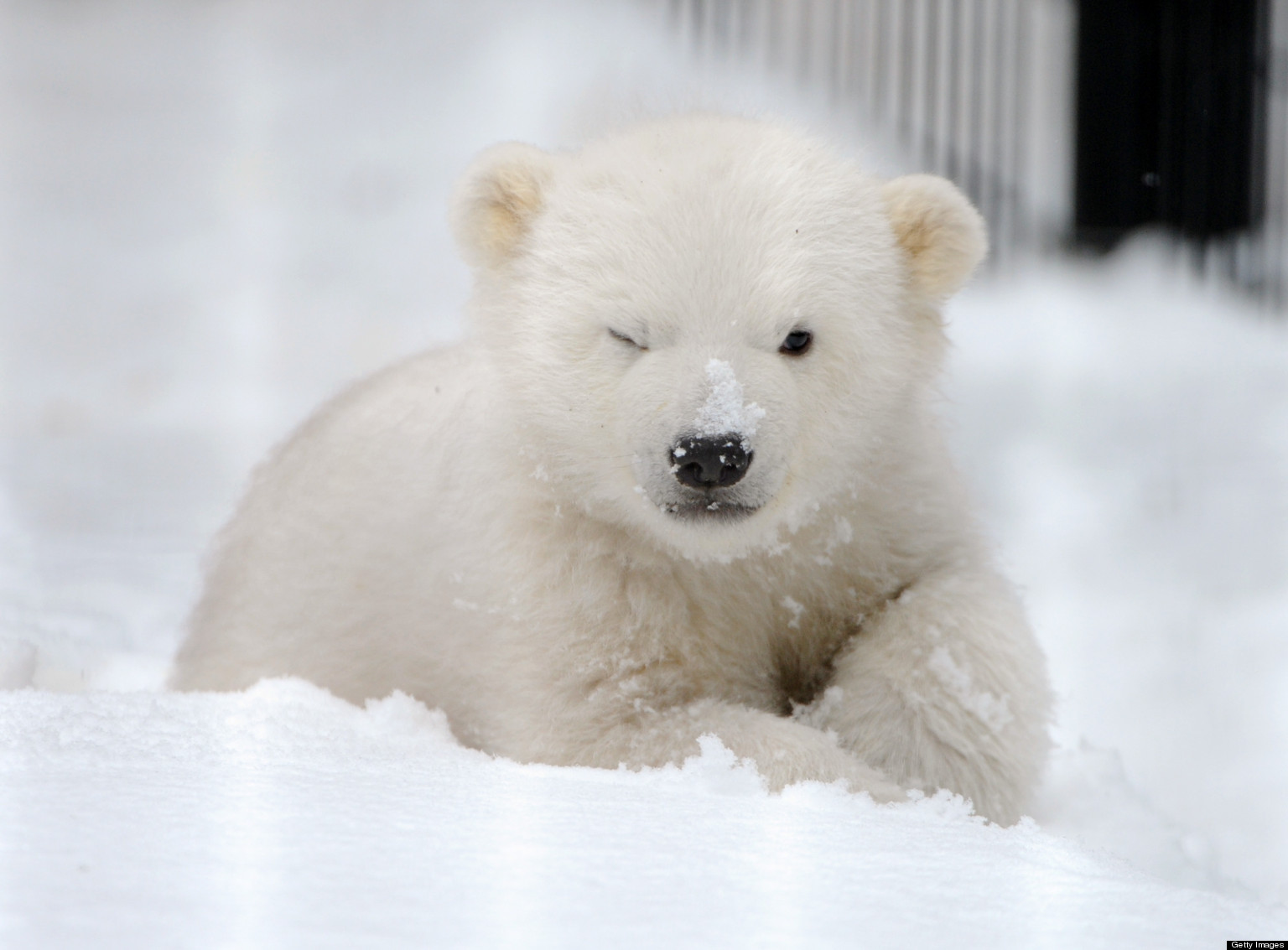
Polar Bear Inuka moves into new Frozen Tundra Exhibit

AS THE first polar bear born in the tropics, Inuka has never experienced life on the frozen Arctic tundra.

Yet the 570kg furry giant's new home is perhaps the next best thing.

The $8 million Singapore Zoo enclosure is about the size of 2 1/2 basketball courts - four times bigger than the previous one.

And it is modelled on the natural environment of the Arctic, with a large pool, waterfall and an ice cave where the 22-year-old bear can rest. Called Frozen Tundra, the 2,700 sq m exhibit also includes two separate sections housing raccoon dogs and wolverines, both of which are native to sub-Arctic environments.

Inuka moved in on Wednesday.
The zoo came up with the idea of creating a new habitat in 2006. It was designed to give the Singapore-born bear - whose mother, Sheba, died last November - more space to move around, while offering the public a glimpse of the Arctic world.

"In the past, visitors wanted the animals as close to them as possible," said Wildlife Reserves Singapore director of exhibit design Cham Tud Yinn. "But as they become more educated, they appreciate the fact that animals need privacy and space."

He added that visitors may not be able to get quite as close to Inuka as they would like. However, the exhibit has more glass panels through which to view the spectacular creature.

Native to the Arctic Circle, polar bears are the world's largest land carnivores. Adult males can weigh up to 700kg. But global warming has pushed back the sea ice, shrinking their hunting grounds and cutting off their sources of food.

If global temperatures continue to rise, polar bears may become extinct within a hundred years.

The Frozen Tundra is open every day from 8.30am to 6pm.

Inuka was adopted at birth in 1990 by the SPH Foundation, the charitable arm of Straits Times' parent company Singapore Press Holdings. Its chairman, Dr Lee Boon Yang, was the guest of honour at a ceremony yesterday to mark the foundation's decision to adopt the Amazon Flooded Forest at the River Safari. This means it will sponsor the exhibit by making a donation to zoo owner Wildlife Reserves Singapore every year.

"SPH Foundation has been a long-time partner of Wildlife Reserves Singapore in supporting wildlife conservation," said Dr Lee. He added that it also sponsors the High Flyers Show at Jurong Bird Park and a conservation centre housing proboscis monkeys at the zoo.

Wednesday, May 22, 2013

Zoo gets a new baby Polar Bear

It may have been the most anticipated package ever delivered to the Buffalo Zoo: an orphaned polar bear cub that arrived 15 May 2013 from Alaska and will spend the summer with another cub born six months ago.
Kali arrived aboard a UPS flight at Buffalo Niagara International Airport shortly before 5:30 a.m., ending a 14-hour trip that was set in motion in March when a hunter in Alaska realized an adult female bear he'd killed was nursing.


"He followed the tracks back to the den, crawled down inside, found a cub, pulled it out, put it in his coveralls, rode it back into Point Lay and then got hold of U.S. Fish and Wildlife," said Patrick Lampi, executive director of the Alaska Zoo, which has cared for the bear since.

Subsistence hunting is allowed in the area, but hunters aren't allowed to shoot females with cubs, Lampi said after accompanying the cub to Buffalo.

Called Kali after the Inupiat name for Point Lay, the male cub now weighs 65 pounds and is estimated to be just less than 5 months old. It would have been unable to care for itself in the wild, experts said. Young polar bears stay with their mothers for about 2 years.

In Buffalo, it will slowly be introduced to Luna, a female polar bear born Nov. 27 that has become a visitor favorite and the face of an $18 million fundraising campaign for a planned Arctic exhibit and new zoo entrance. Experts said both cubs will benefit from interacting with each other rather than only human caretakers.

A few hours after Kali's arrival, the cubs were in adjacent dens, able to smell and hear each other but prevented by a solid barrier from visual and physical contact. The next step will be to replace the barrier with mesh.

"Then they can have some limited physical contact, visual contact," zoo president Donna Fernandes said. "If that goes well and they're spending lots of time near each other by the mesh barrier and showing interest, then we can gradually open it up a little bit, give them room for a paw to go through.

"If they're not swiping at each other and it looks good, we'll open the door a little bit more, a little bit more, until they get a full physical introduction," Fernandes said at a press conference as Luna, behind a glass partition, dove over and over into a pond, pounced on a toy ark and ball, and wrestled with shrubbery.

"When you have adult animals, it can be more problematic," Fernandes said, "but I don't think we'll have a problem with these young guys. I think they'll be very excited to have a playmate."

Kali, expected to stay in Buffalo six months, made the 4,400-mile trip in a stainless steel crate, tended to by handlers given Federal Aviation Administration clearance to be on the cargo deck, UPS Capt. Jon Burrows said.

The logistics were hammered out over about 225 emails, Lampi said.

"Knowing he's coming here to be with another cub, that's just perfect," he said. "You just can't substitute being with a same species 24/7 so it'll be great for both of them."

The Buffalo Zoo hopes Kali will be a permanent resident, but the decision will be up to the U.S. Fish and Wildlife Service.

Sunday, May 19, 2013

Check out for Great Deals for River Safari packages

River Safari Adventure: $31.80 for Admission to Asia’s First & Only River-Themed Wildlife Park, River Safari + River Cruise Along Singapore River (Child Rate Available)

http://www.deal.com.sg/deals/singapore/river-safari-adventure-3180-admission-asia-s-first-only-river-themed-wildlife-park-r


 Redemption Period of DEAL Voucher: till 30 May 2013
Admission tickets expire on 30 Jun 2013

Friday, May 17, 2013

Vesak Day warnings, No releasing of animals.


The National Parks Board (NParks) said there have not been any cases of animals being released at reservoir parks and nature reserves in the past two years.

NParks is reminding the public not to release animals into the wild this Vesak Day, which falls on 24 May.
NParks' director of conservation, Wong Tuan Wah, said: "We will continue to reach out to the community and appeal to the public not to release animals into the wild. Most of these animals are kept as household pets, and many die shortly after their release as they are unable to adapt to the new surroundings."

NParks is running its annual campaign “Operation No Release”, held around Vesak Day to spread awareness of the dangers related to animal release.

It is working with volunteers to keep a lookout for any signs of animal release and conduct nature walks for the public.

Besides introducing the flora and fauna in the nature reserves to the participants, volunteer guides will also explain how animal release will impact the biodiversity and ecology of the nature reserves.

Wednesday, May 15, 2013

Singapore raised to observer status on Arctic Council


Arctic states today (May 15) agreed to let nations that are located nowhere near the Earth’s north to become observers to their diplomatic council, boosting rising superpowers China, India and South Korea that are seeking to mine the region for its untapped energy and other natural resources.

The European Union also was tentatively granted observer status to the eight-state council but must first address several questions about its bid, including concerns about its ban on Canadian seal exports.

It was an odd but not entirely unexpected move by the long-obscure Arctic Council, which traditionally has served as a watchdog for the rights of the region’s indigenous people and protector of its fragile ecosystem.

Widespread thawing of Arctic ice, which keeps the rest of the world cooler, has alarmed environmentalists but has become an economic lure to nations seeking to ship cargo across once-frozen seas. The global warming is making the Arctic’s elusive supply of oil, gas, minerals and precious metals available — in some areas, for the first time ever - as ever-expanding counties like China and India hunt for additional energy supplies.

Officials estimate the Arctic holds 13 per cent of the world’s undiscovered oil reserves, and 30 per cent of undiscovered gas deposits.

Ministers suggested the inclusion of the energy-hungry nations at the Arctic Council will force them to uphold the diplomatic panel’s core goals of safeguarding the region.

“There is no such thing as a free lunch,” said Norwegian Foreign Minister Espen Barth Eide. “By becoming an observer you’re also signing up to the principles embodied by this organization, and that is why we have been working hard to make that happen.”

In all, six nations - China, India, Italy, Japan, Korea and Singapore - were granted observer status to the council, joining several previously-accepted counties from Europe. The eight states that are permanent members of the non-binding panel all touch the Arctic Circle, including the United States, through Alaska. Denmark is connected to the Arctic Circle through its relationship with Greenland, which is a semi-autonomous territory.

Canada’s minister to the council, Leona Aglukkaq, voiced mild but restrained discomfort with the new observers to the council, which she said was created “by northerners, for northerners, before the Arctic was of interest to the rest of the world.” Canada will chair of the council for the next two years.

The ministers’ short meeting, which is held only every two years, also attracted a scattering of protesters form the environmental group Greenpeace, who held banners outside Kiruna’s small city hall urging “No Arctic oil.” A hulking black mountain, from which iron ore is mined, served as the backdrop for the meeting in the small Arctic town where snow had melted to slush.

U.S. Secretary of State John Kerry, sporting a blue suit coat amid the ski sweaters and tribal costumes at the meeting, said the world must crack down on polluting emissions that endanger the Arctic. He said the U.S. and China are two of the globe’s largest contributors to emissions.

“No one nation can solve this,” Kerry said. “No one is doing enough. The problem is that everything we do, or everything that another nation does, is going to be wiped out by China or another nation if they continue with coal-fired power at the rate we are seeing. So the warning signals are there.”

Tuesday, May 14, 2013

Singapore has interest in the Arctic region


SINGAPORE'S application for permanent observer status in the Arctic Council might seem like an obscure pitch for a country lying just a smear north of the Equator.

But the Republic's interest in the icy northern region ranges from the risk of rising sea levels caused by melting polar ice to the possibility that its port might be bypassed should the Northern Sea Route running through the Arctic coast take off in a big way.

The council comprises eight Arctic states, including Canada, Russia and the United States.

Tomorrow's Arctic Council Ministerial Meeting, which takes place once every two years and will open in Kiruna in northern Sweden, is expected to decide on the applications. Singapore's special envoy for Arctic Affairs Kemal Siddique is in Sweden.

Singapore applied for permanent observer status, which is likely to allow a country to attend council meetings and take part in working groups, in December 2011. Others that have applied for similar status include China, the European Union, India, Japan, Italy and South Korea.

While Singapore has no territorial or resource claims, it does have various economic and political interests in the Arctic. As a major international port, it takes a keen interest in maritime affairs.

The emergence of new sea routes would reduce the distance between the North Atlantic and the North Pacific, causing shifts in shipping patterns a few months every year. The implications of these shifts could have far-reaching consequences for Singapore's economic viability and existence.

Rising sea levels caused by melting polar ice could threaten Singapore. Moreover, the island is on the migratory pathway of some Arctic species and the effects of climate change on Arctic flora and fauna would affect those here.

Singapore hopes to contribute its shipping-related expertise in areas such as oil spill prevention and maritime traffic management to the Arctic Council.

Friday, April 12, 2013

Bindi Irwins Animal Adventure at the Singapore Zoo

Date: Saturday, 13 April 2013
Venue: Singapore Zoological Gardens, 80 Mandai Lake Rd, 729826
Time: 8:00am - 12:30pm


Bindi Irwin is visiting Singapore and she wants to meet you at the zoo!
Joined in Singapore by her mum Terri and younger brother Robert, Bindi will share about her favourite animals and passion for wildlife conservation. Activities at the event will include:
- Mini Bootcamp Challenge
- Show and tell featuring Bindi’s favourite animals
- Exclusive meet and greet with Bindi*
Home to more than 300 species of animals, the Singapore Zoo provides the perfect backdrop for you to meet the Bindi, the wildlife warrior who grew up in the Australia Zoo owned by her parents – the late Crocodile Hunter Steve Irwin, and his wife Terri.
We’ve got eight sets of tickets up for grabs so what are you waiting for? If you're mad about animals, you'll definitely love what we have in store! Fill up the form below** for a fun-filled animal weekend with the Irwins now!

Thursday, April 11, 2013

Singapore Zoo wins service excellence award

Singapore Zoo has received the Singapore Service Excellence Medallion, a top honour that marks its superior guest satisfaction and organisational service excellence.

The award recognises outstanding achievements by organizations and individuals in inspiring and sustaining a culture of service excellence in Singapore.

The award ceremony was held in the presence of guest-of-honour Mr Tharman Shanmugaratnam, Deputy Prime Minister of Singapore and Minister of Finance.

Mr Lee Meng Tat, CEO, Wildlife Reserves Singapore, said: “Singapore Zoo turns 40 this year – and receiving the Singapore Service Excellence Medallion is a tribute to all the staff who have served in the Singapore Zoo and who made this wildlife attraction a national icon and internationally recognized brand.”

The accolade is organized by agencies of the national GEMS Up movement (Go Extra Mile For Service). GEMS Up Movement is represented by five agencies – SPRING Singapore, Singapore Tourism Board, Singapore Workforce Development Agency, National Trades Union Congress and the Institute of Service Excellence at Singapore Management University.

Thursday, April 04, 2013

Wildlife Reserves Singapore's newest addition, River Safari opens


The $160 million river-themed wildlife park, River Safari - home to Pandas Kai Kai and Jia Jia - opened on Wednesday morning

Waiting for the gates to open were groups of kindergarten and primary school children, tourists, as well as Singaporeans who took a day off work for the occasion.

One such person was Mr Albert Foo, 66, who arrived around 8.30am for the opening ceremony and was one of the first in line to enter. "I've always liked animals and plants," he said. He took a day's leave from his job as a hotel front desk assistant and woke up at 5.30am to make it in time to see the gates open.

The River Safari is the newest addition to the Wildlife Reserves Singapore's portfolio of parks, which includes the Singapore Zoo, Night Safari and Jurong Bird Park. The 12ha park houses one of the world's largest collection of freshwater animals. It opens daily from 9am to 6pm.